Learning Clubs
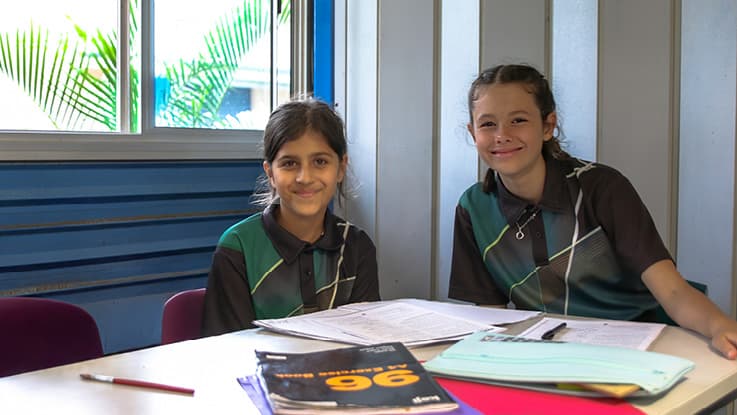
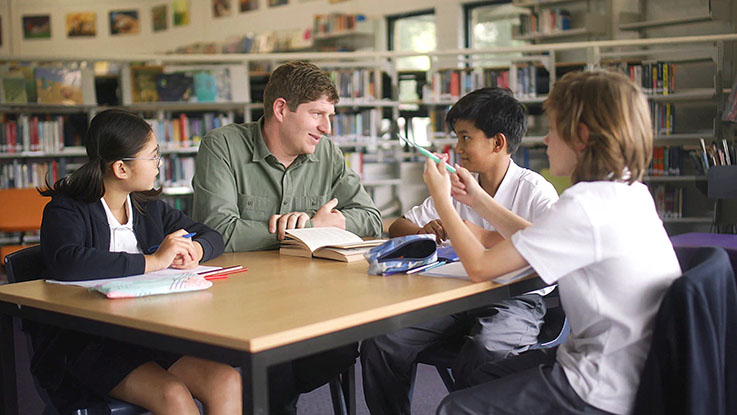
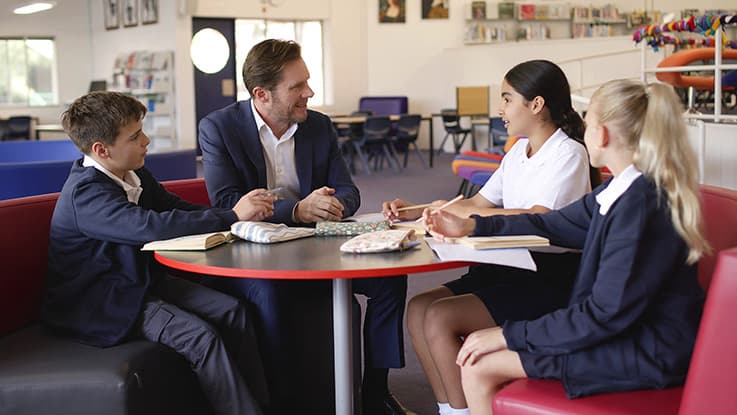
Learning Clubs provide a safe and supportive out-of-school learning environment where primary or secondary students can participate in activities that develop their academic skills, such as homework, numeracy and literacy. Clubs usually run in terms two and three each year, and children attend once or twice a week at no cost.
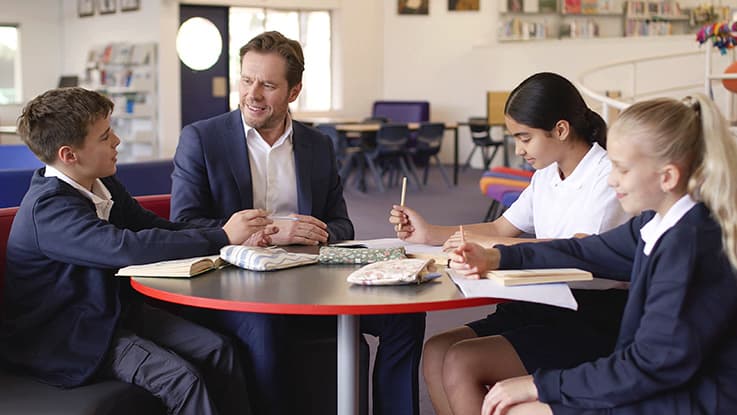
Through regular attendance at our Learning Clubs, students are able to enhance their learning and development skills. Students’ involvement with Learning Clubs enables them to access local volunteer tutors who have appropriate skills and knowledge to support Club activities.
Our Learning Clubs may differ across the country according to each community’s identified needs and where the community is located. For example, some clubs provide homework support, tutoring or help with a specific skill set (cognitive or non–cognitive) that assists participating children and young people to benefit more fully from their school based learning.
Even though my child has always been good with her homework, she's now more into it and shows more initiative than before.
Lack of educational support in the home can have a lasting impact on a child’s future.
Research shows increased educational levels reduce the probability of current financial disadvantage becoming a long-term problem.
Students from low socio-economic backgrounds are more likely to have lower educational achievement. Often these students are additionally disadvantaged by minimal financial resources and parents who may have low educational attainment themselves, English as a second language, or are unable to provide strong educational support. This can result in poor student outcomes including leaving school early, unemployment or underemployment, poor health, delinquency and possibly crime.
Research tells us that offering learning opportunities outside of school hours is one way to improve the learning success of students and positively influence educational and personal outcomes. Students experiencing disadvantage can miss out on these kinds of out-of-school programs as they are often too costly for families with limited financial means.
[The tutor] has a really good sense of humour and is positive in every way. Even if he can't explain a problem to me he will always try his best. He has a lot of intelligence and now is passing that to me. It helps. At home I can’t help. It helps me learn as well.
Akot, Learning Club student
Akot started attending the Trinity Learning Club in Term 3. Initially he was very quiet and didn’t talk to the coordinators or tutors. He often had a serious look on his face and didn't show signs of acknowledgement when someone said 'hello' or asked him a question.
By Term 4, Akot seemed like a new person! He was still fairly quiet and shy, however he was engaged with his tutor and in learning. He also started to smile and seemed more confident.
How Learning Clubs help
Learning Clubs aim to increase student engagement with learning by increasing students’ academic engagement and achievement.
Students who are able to complete school and homework are more likely to stay in school and complete Year 12.
70% of students in Learning Clubs increased their self-confidence at school.1Watch Tahlia's story to see the difference Learning Clubs can make to students lives.
With the help of the Learning Clubs program, students are able to get the life changing out-of-school learning support they need to enhance their learning and development skills. Help support our education programs.
Our learning programs
-
Aboriginal and Torres Strait Islander programs
Our work engages Aboriginal and Torres Strait Islander communities in learning through education, life skills and role models, promoting culturally responsive practice. -
Arts programs
Providing students living with disadvantage access to arts programs to help support students'; engagement with school by increasing their creative skills, self-confidence, social networks and knowledge of post-school options. -
Community programs
We partner with government, schools, families, and other service providers to improve educational outcomes for children. -
Financial programs
We offer financial programs for parents facing disadvantage and an interactive high school program, building youth financial literacy, decision-making skills, and future awareness. -
School transition programs
Providing help for students transition from primary to high school by enhancing their skills, knowledge, and attitude for the new learning environment. -
Learning Clubs
After-school Learning Clubs give children help with literacy homework in a safe, supportive environment, encouraging children to better engage with their learning. -
Learning for Life
Learning for Life is an innovative, evidence-based program that supports students throughout their education to achieve positive long-term outcomes for young people experiencing disadvantage. -
Literacy programs
Providing resources and support to help children living with disadvantage achieve the required reading standard. -
Mentoring programs
Mentoring programs for students living with disadvantage that provide the encouragement they need to build aspirations for their future. -
Mentoring programs
Mentoring programs for students living with disadvantage that provide the encouragement they need to build aspirations for their future. -
Numeracy programs
We support early years educators and community professionals in building foundational math skills in children under their care. -
Technology programs
Providing children and young people living with disadvantage with the critical skills, access, and equipment they need. -
Work experience programs
We provide work experience programs for students living with disadvantage, to help them explore their future career options and potential job opportunities.